How Artificial Intelligence Will Change Everyday Life by 2026
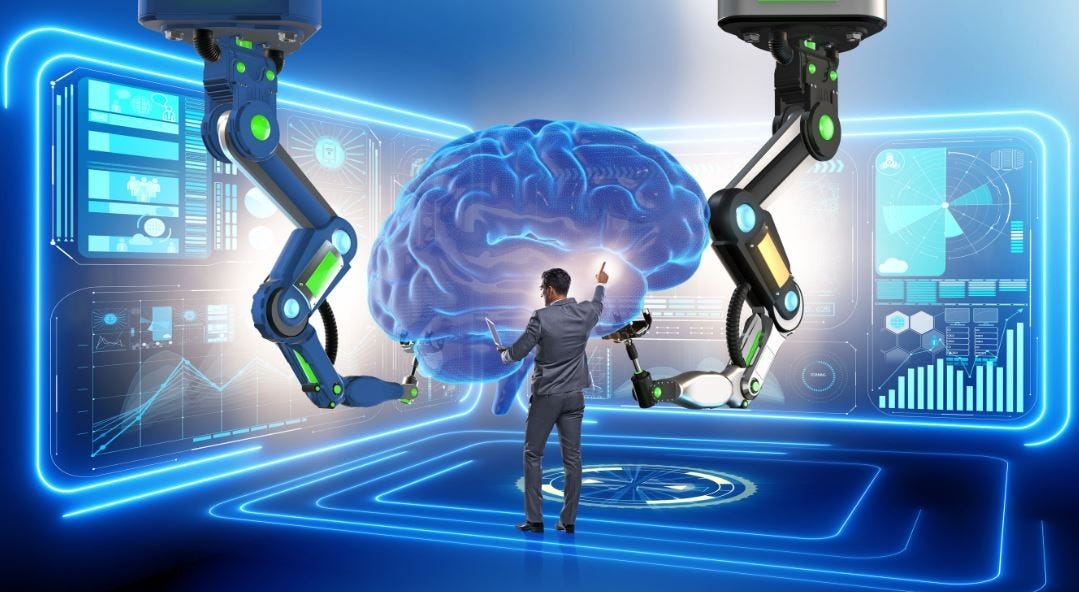
Artificial Intelligence (AI) is no longer a futuristic concept reserved for science fiction movies. It is already part of our daily lives, often working quietly in the background. By 2026, AI will become even more integrated into how we live, work, communicate, and make decisions.
Many of these changes will feel natural, even invisible, yet they will dramatically reshape everyday life. From smartphones and smart homes to healthcare and education, artificial intelligence will quietly transform how the world operates.
What Artificial Intelligence Really Means in Everyday Life
Artificial Intelligence refers to computer systems that can perform tasks that normally require human intelligence. These tasks include learning from data, recognizing patterns, understanding language, and making decisions.
In everyday life, AI does not appear as robots walking the streets. Instead, it exists in recommendation systems, smart devices, automation tools, and predictive software that helps people make faster and better decisions.
AI in Smartphones and Personal Assistants
By 2026, smartphones will become significantly smarter. AI-powered assistants will no longer wait for commands but will anticipate user needs based on behavior, location, and daily habits.
Voice assistants will understand context, emotions, and intent more accurately, making conversations feel more human and natural. Many AI processes will also run directly on devices, improving speed and privacy.
Smart Homes Powered by Artificial Intelligence
Smart homes will evolve into intelligent environments that adapt automatically to their residents. AI will control lighting, temperature, security, and energy usage without constant manual input.
These systems will learn daily routines, reduce energy waste, and improve home security by identifying unusual activity.
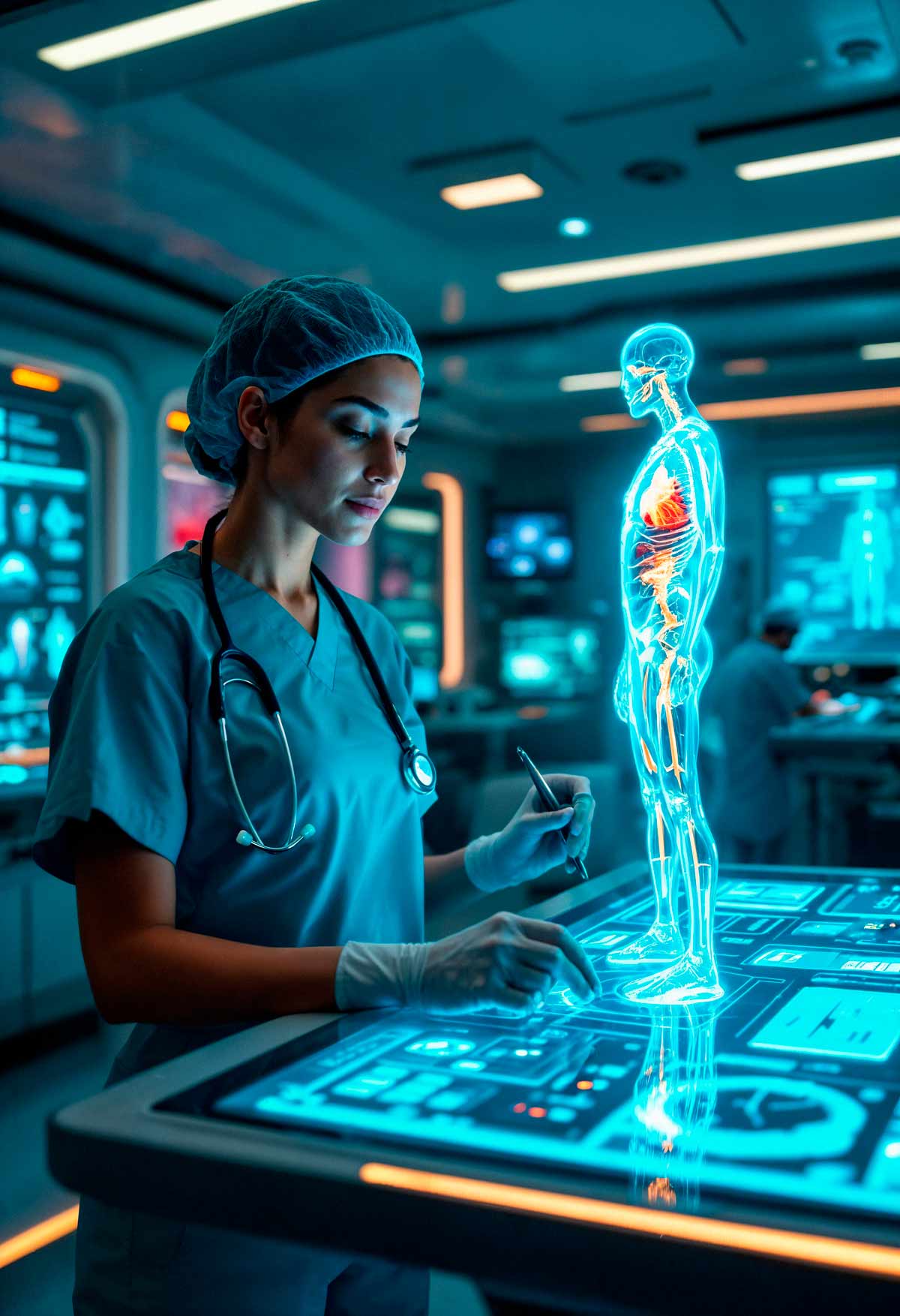
AI in Healthcare: Faster, Smarter, and More Accessible
Healthcare will experience one of the biggest transformations thanks to artificial intelligence. AI systems will analyze medical data to detect diseases earlier and more accurately than traditional methods.
Wearable devices will continuously monitor vital signs, alerting doctors and patients before serious health issues occur. This shift will move healthcare toward prevention rather than treatment.
Artificial Intelligence in Education and Learning
Education will become more personalized through AI-powered learning platforms. Students will follow customized learning paths based on their abilities and progress.
AI tutors will be available around the clock, helping students learn at their own pace while teachers focus on mentoring and creativity.
The Workplace: How AI Will Change Jobs by 2026
AI will not eliminate jobs entirely but will change how people work. Repetitive tasks will be automated, allowing employees to focus on problem-solving and creativity.
New job roles related to artificial intelligence, data analysis, and automation will continue to emerge, creating fresh opportunities for skilled workers.
AI in Transportation and Daily Mobility
Transportation systems will become safer and more efficient through AI-powered navigation and driver assistance technologies.
Public transportation will also benefit from AI, as systems predict passenger demand and optimize routes in real time.
Artificial Intelligence in Entertainment and Media
Entertainment platforms will use AI to deliver highly personalized content. Movies, music, and videos will be recommended based on detailed user preferences.
AI-generated content will become more common, creating new forms of interactive and adaptive entertainment experiences.
Privacy, Ethics, and the Risks of AI
Despite its advantages, artificial intelligence raises concerns about data privacy, bias, and overdependence on technology.
By 2026, stronger regulations and ethical frameworks will be essential to ensure responsible and transparent use of AI technologies.
How Everyday Life Will Feel Different by 2026
Most people will not notice a sudden change. Instead, everyday life will gradually feel more efficient, automated, and personalized.
AI will quietly work behind the scenes, making decisions easier and services faster without constant human input.
Final Thoughts
By 2026, artificial intelligence will be deeply embedded in everyday life. Those who understand and adapt to AI will benefit the most from its capabilities.
Rather than replacing humans, AI will become a powerful tool that enhances productivity, creativity, and quality of life when used responsibly.