How Artificial Intelligence Is Transforming Businesses in 2026
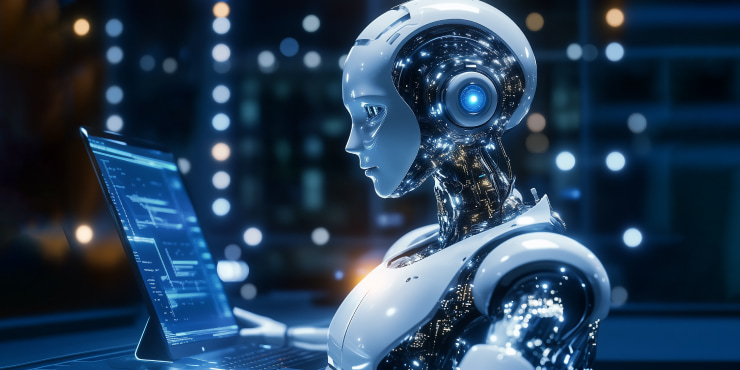
Artificial Intelligence (AI) has moved far beyond experimental technology. By 2026, AI has become a core driver of business growth, efficiency, and innovation. Companies of all sizes are using AI to automate operations, analyze data, improve customer experiences, and make smarter decisions.
This article explores how artificial intelligence is transforming businesses in 2026, the key areas where AI creates the most impact, and why companies that ignore AI risk falling behind.
Why AI Is Essential for Modern Businesses
In a highly competitive global market, businesses must operate faster and more efficiently than ever. AI provides tools that allow companies to process massive amounts of data, reduce human error, and scale operations without significantly increasing costs.
By automating routine tasks and enhancing decision-making, AI frees human employees to focus on strategy, creativity, and problem-solving.
AI and Business Automation
Automation is one of the most powerful applications of artificial intelligence. In 2026, businesses use AI-driven automation to handle repetitive and time-consuming tasks across departments.
Examples include automated data entry, invoice processing, inventory management, and workflow optimization. These systems operate continuously, improving productivity and consistency.
Artificial Intelligence in Data Analysis and Decision-Making
Modern businesses generate enormous amounts of data. AI helps transform this raw data into valuable insights.
Machine learning algorithms analyze patterns, trends, and anomalies that humans might overlook. As a result, executives can make faster and more accurate decisions based on real-time information.
AI in Customer Service and Support
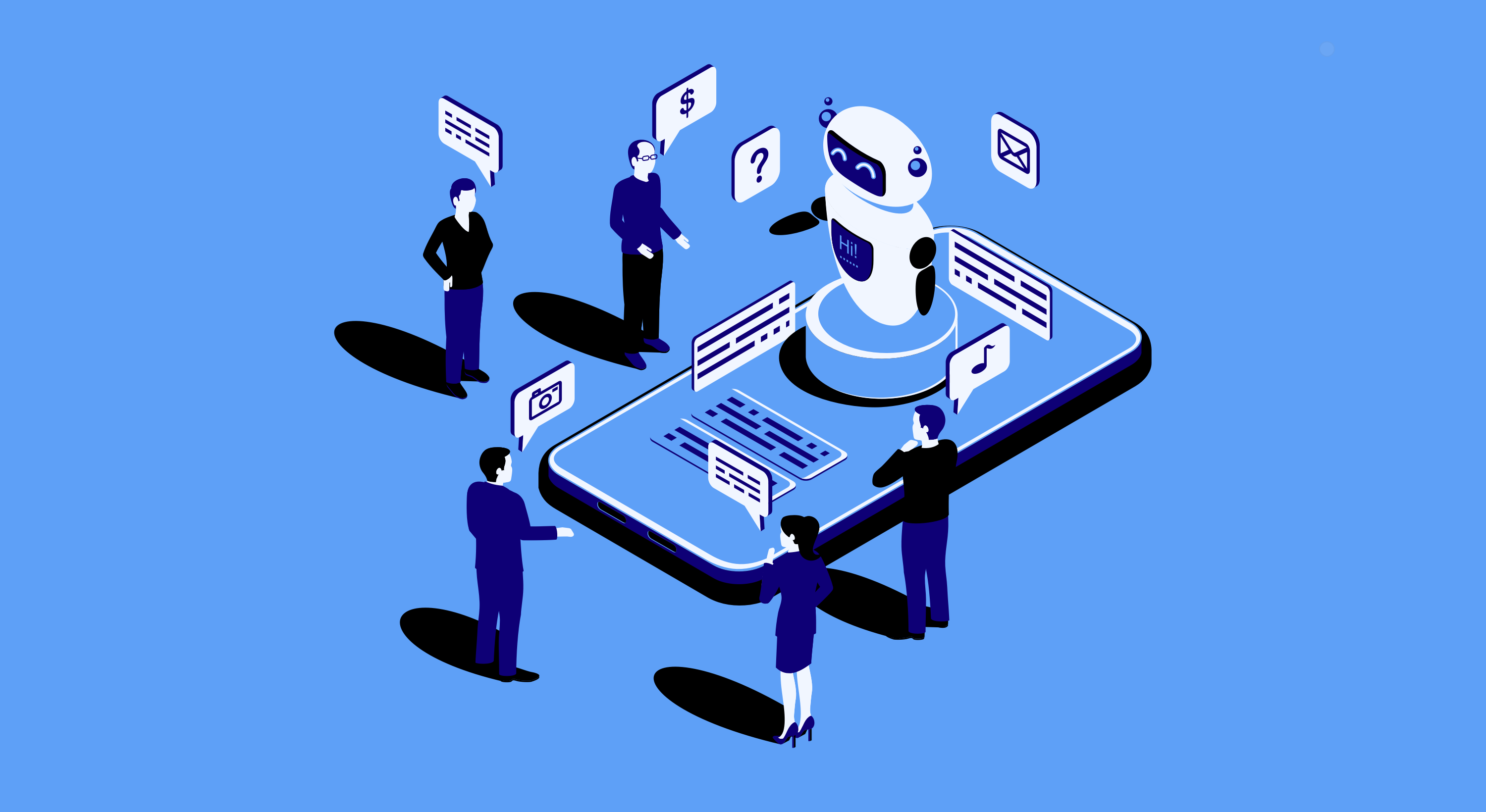
Customer expectations have changed dramatically. By 2026, AI-powered chatbots and virtual assistants handle a large portion of customer service interactions.
These systems provide instant responses, resolve common issues, and operate 24/7. When necessary, complex cases are transferred to human agents, creating a seamless support experience.
Artificial Intelligence in Marketing and Sales
AI has revolutionized how businesses approach marketing and sales. Instead of generic campaigns, AI enables highly personalized customer experiences.
AI tools analyze user behavior, preferences, and purchase history to deliver targeted ads, email campaigns, and product recommendations. This leads to higher conversion rates and improved customer loyalty.
AI in Human Resources and Recruitment
Human resources departments increasingly rely on AI to streamline recruitment and talent management.
AI systems screen resumes, identify suitable candidates, and reduce bias in early hiring stages. They also help predict employee performance and identify training needs.
Operational Efficiency and Cost Reduction
One of the biggest advantages of AI is cost efficiency. By reducing manual labor and optimizing processes, businesses can significantly lower operational expenses.
Predictive maintenance, supply chain optimization, and demand forecasting are examples of how AI minimizes waste and downtime.
Risks and Challenges of Using AI in Business
Despite its benefits, AI also presents challenges. Data privacy, cybersecurity risks, and ethical concerns must be addressed carefully.
Businesses must ensure transparency, protect customer data, and maintain human oversight over critical decisions.
The Future of AI in Business Beyond 2026
As AI technology continues to evolve, its role in business will only expand. Companies will move toward fully integrated AI ecosystems that connect operations, customers, and strategy.
Organizations that invest in AI education and infrastructure today will gain a long-term competitive advantage in the digital economy.
Final Thoughts
Artificial intelligence is no longer optional for businesses in 2026. It is a strategic necessity that drives growth, efficiency, and innovation.
Companies that embrace AI responsibly will be better equipped to adapt to change, meet customer expectations, and succeed in an increasingly automated world.