AI & Finance: How Artificial Intelligence Is Transforming the Financial Industry in 2026

Artificial Intelligence (AI) has become one of the most powerful forces shaping the financial industry. By 2026, banks, investment firms, insurance companies, and fintech startups are relying heavily on AI to improve efficiency, reduce risk, and deliver better services.
From fraud detection and algorithmic trading to personalized financial advice, AI is redefining how money is managed, invested, and protected. This article explores the key ways artificial intelligence is transforming finance and what this means for consumers and businesses alike.
Why AI Is Critical to the Finance Industry
The financial sector deals with massive volumes of data every second. Traditional systems struggle to analyze this information quickly and accurately. AI excels in this environment by processing large datasets, identifying patterns, and making predictions in real time.
As financial markets become more complex, AI provides institutions with tools to remain competitive, comply with regulations, and respond rapidly to market changes.
AI in Banking and Financial Services
Banks were among the first institutions to adopt artificial intelligence. By 2026, AI plays a central role in everyday banking operations.
AI-powered chatbots handle customer inquiries, assist with transactions, and provide account support around the clock. Behind the scenes, AI automates document verification, loan approvals, and compliance checks.
Fraud Detection and Financial Security
Fraud detection is one of the most valuable applications of AI in finance. AI systems continuously monitor transactions and identify suspicious behavior in real time.
Unlike traditional rule-based systems, machine learning models adapt to new fraud patterns, making them far more effective at preventing financial crime.
Artificial Intelligence in Investment and Trading
AI has transformed investment strategies and stock trading. Algorithmic trading systems analyze market data, news sentiment, and historical trends to execute trades at optimal times.
These systems operate at speeds impossible for humans, reducing emotional decision-making and improving consistency in volatile markets.
AI in Risk Management and Credit Scoring
Managing risk is a fundamental part of finance. AI helps institutions assess creditworthiness, predict defaults, and manage exposure more accurately.
By analyzing alternative data such as spending behavior and transaction history, AI-driven credit models provide fairer and more inclusive financial assessments.
Personalized Financial Advice with AI
AI-powered robo-advisors have made financial planning more accessible to individuals.
These platforms analyze income, expenses, risk tolerance, and long-term goals to offer personalized investment strategies at a fraction of the cost of traditional advisors.
Artificial Intelligence in Insurance and Claims Processing
Insurance companies use AI to streamline underwriting, detect fraudulent claims, and speed up payouts.
AI systems analyze claims data, images, and reports to assess damage and determine compensation faster, improving customer satisfaction and operational efficiency.
Regulatory Compliance and AI
Financial institutions operate under strict regulations. AI helps monitor compliance by automatically reviewing transactions, detecting anomalies, and generating audit reports.
This reduces human error and lowers the cost of regulatory compliance.
Challenges and Ethical Concerns
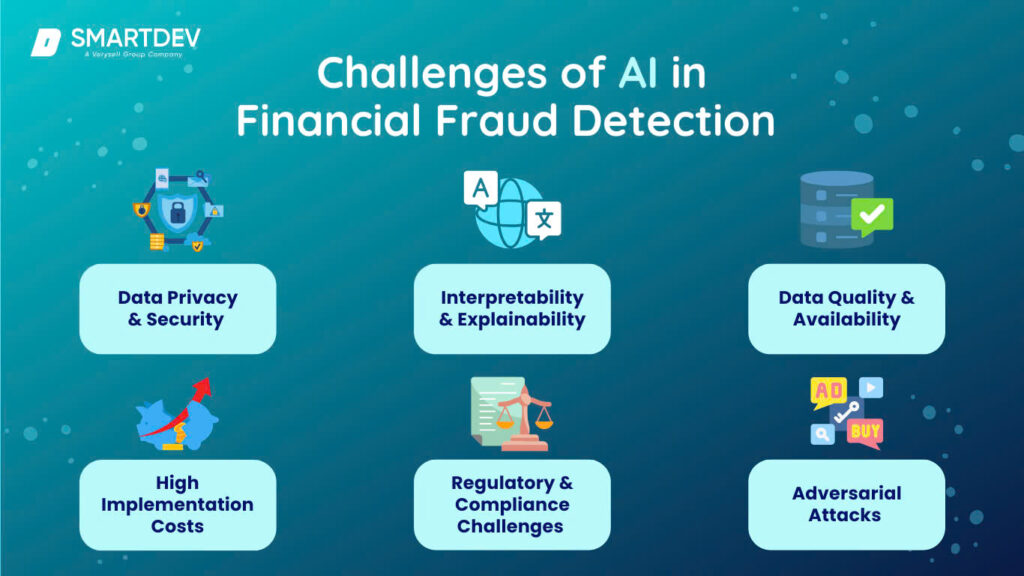
Despite its benefits, AI in finance raises concerns about data privacy, algorithmic bias, and transparency.
Financial institutions must ensure that AI systems are explainable, secure, and aligned with ethical standards to maintain public trust.
The Future of AI & Finance Beyond 2026
Looking beyond 2026, AI will become even more deeply embedded in the financial ecosystem.
Fully automated financial platforms, real-time global risk analysis, and AI-driven economic forecasting will reshape how financial markets operate.
Final Thoughts
Artificial intelligence is fundamentally transforming the finance industry. It improves security, efficiency, and accessibility while enabling smarter financial decisions.
Organizations and individuals who understand and embrace AI-driven finance will be better prepared for the future of money and financial services.