AI & Cryptocurrency: How Artificial Intelligence Is Reshaping the Crypto Market in 2026
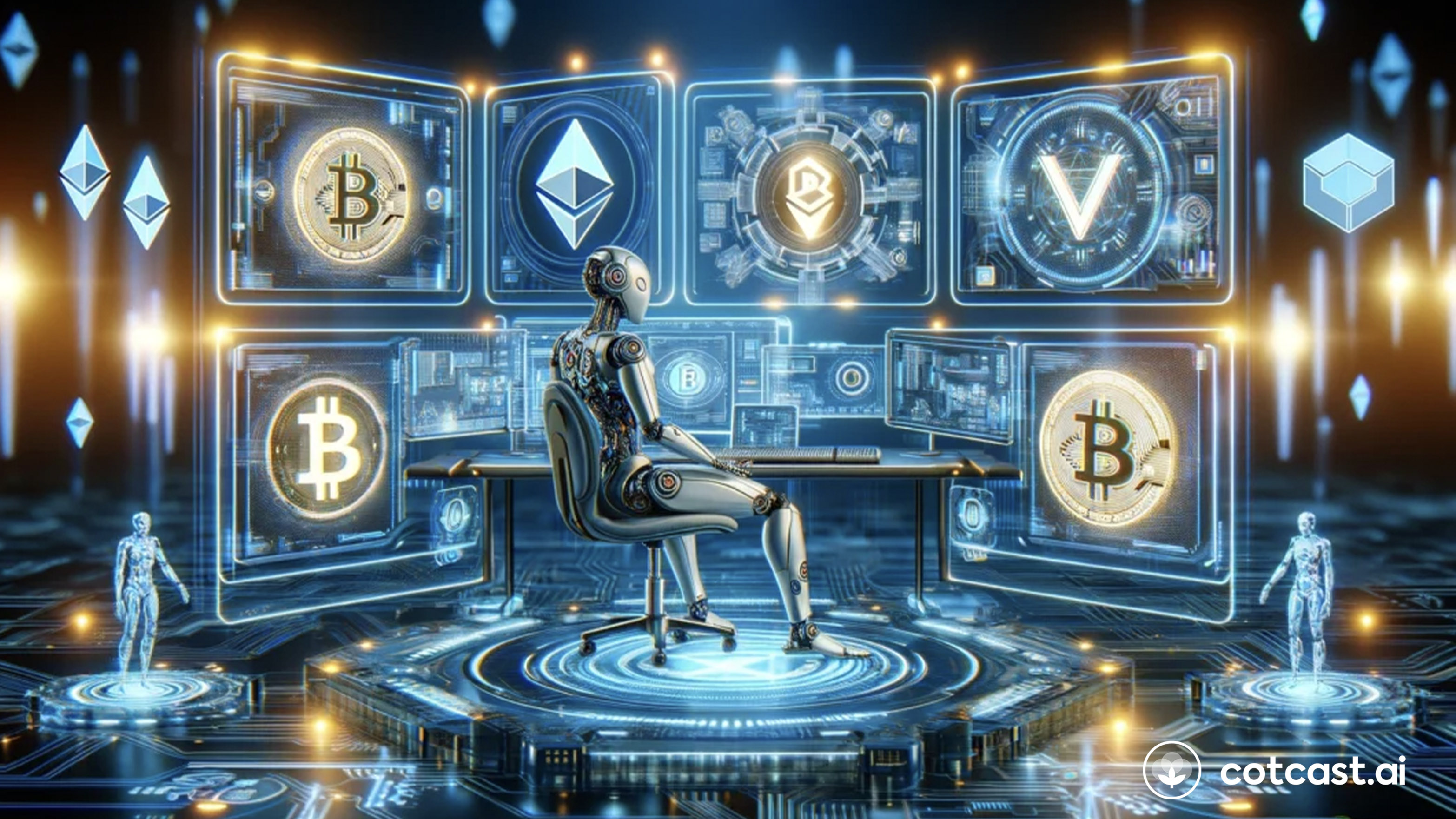
Artificial Intelligence (AI) and cryptocurrency are two of the most disruptive technologies of the modern digital era. By 2026, the combination of AI and crypto is transforming how digital assets are traded, secured, analyzed, and managed.
While cryptocurrency relies on decentralized blockchain technology, AI brings powerful data analysis, automation, and predictive capabilities. Together, they are reshaping the future of finance, investment, and digital trust.
Why AI and Cryptocurrency Are a Powerful Combination
Cryptocurrency markets operate 24/7 and generate massive amounts of data. Price movements, trading volumes, on-chain transactions, and social sentiment create a complex environment.
Artificial intelligence excels at processing large datasets in real time. This makes AI an ideal tool for understanding market behavior, reducing risk, and improving decision-making in crypto markets.
AI in Cryptocurrency Trading
One of the most common uses of AI in crypto is algorithmic trading. AI-powered trading bots analyze market data, identify patterns, and execute trades automatically.
Unlike human traders, AI systems operate without emotion. They can react instantly to market changes, optimize entry and exit points, and trade across multiple exchanges simultaneously.
Predictive Analytics and Market Forecasting
Machine learning models are increasingly used to predict cryptocurrency price movements. These models analyze historical data, technical indicators, and market sentiment.
Although no system can predict markets with complete accuracy, AI improves probability-based decision-making and helps traders manage volatility more effectively.
Artificial Intelligence in Blockchain Security
Security is a major concern in the crypto ecosystem. Hacks, scams, and fraudulent activities have resulted in billions of dollars in losses.
AI enhances blockchain security by detecting unusual transaction patterns, identifying suspicious wallets, and preventing fraud in real time.
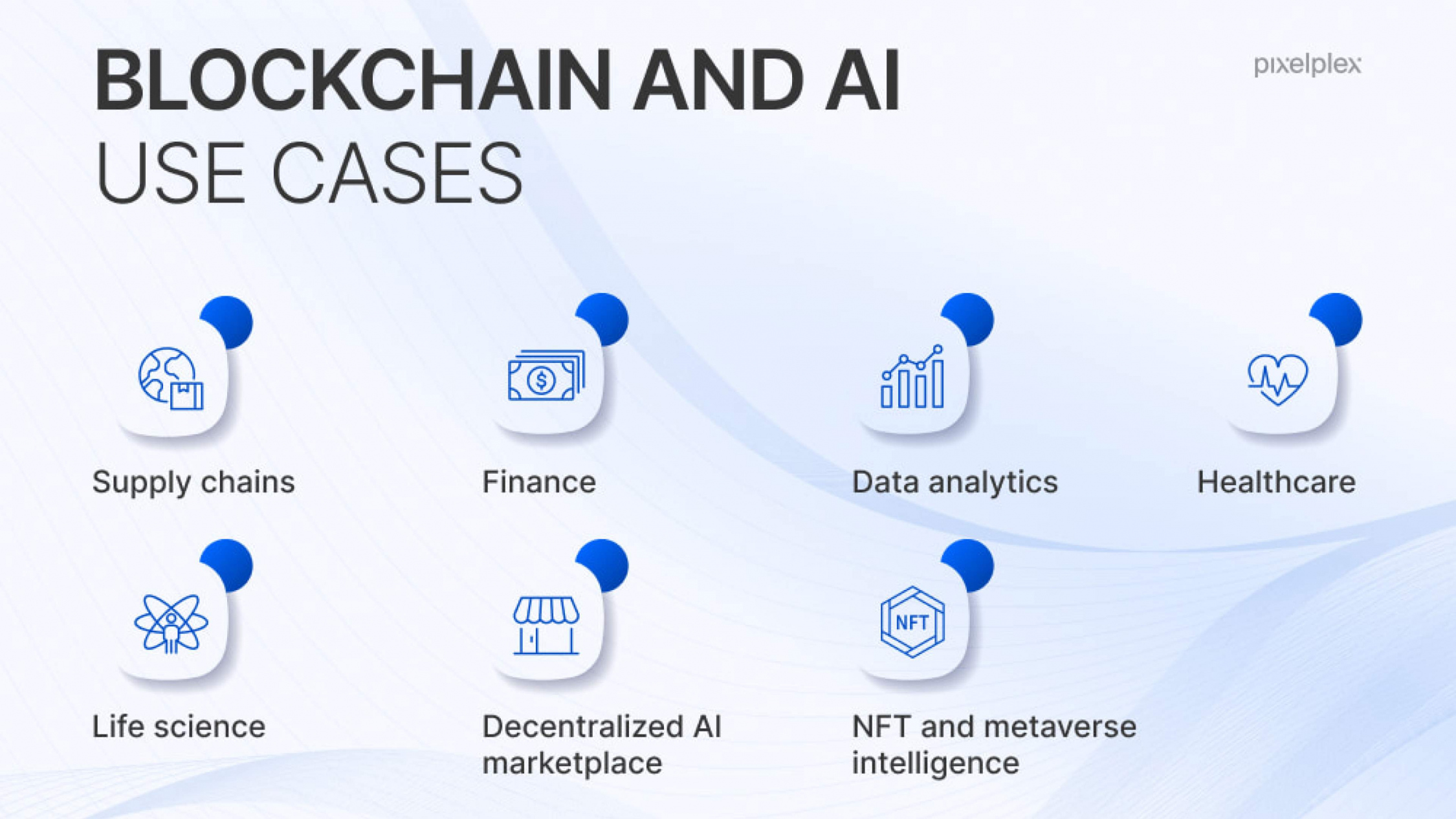
AI for Fraud Detection and Scam Prevention
AI systems are used to identify phishing attacks, fake tokens, and fraudulent projects.
By analyzing transaction behavior, smart contracts, and wallet activity, AI can flag high-risk activities before significant damage occurs.
Smart Contracts and AI Automation
Smart contracts execute transactions automatically when predefined conditions are met. When combined with AI, smart contracts become more adaptive and intelligent.
AI-enhanced smart contracts can adjust parameters based on real-time data, optimize decentralized finance (DeFi) protocols, and reduce human intervention.
AI in Decentralized Finance (DeFi)
DeFi platforms use AI to manage liquidity, assess risk, and optimize yield strategies.
AI-driven systems analyze user behavior, market demand, and protocol performance to improve efficiency and sustainability within decentralized financial ecosystems.
Risk Management in Crypto Using AI
Cryptocurrency markets are known for extreme volatility. AI helps investors manage risk by monitoring exposure, detecting anomalies, and suggesting portfolio adjustments.
These tools are especially valuable for institutional investors entering the crypto space.
Challenges of Using AI in Cryptocurrency
Despite its advantages, the use of AI in crypto presents challenges. Data quality, lack of transparency, and algorithmic bias are key concerns.
Additionally, overreliance on automated systems can increase systemic risk if models fail during extreme market conditions.
The Future of AI & Cryptocurrency Beyond 2026
Looking beyond 2026, AI will play an even larger role in shaping blockchain networks and crypto markets.
Fully autonomous trading systems, AI-governed decentralized organizations (DAOs), and intelligent blockchain analytics will redefine how digital assets are created and managed.
Final Thoughts
The integration of artificial intelligence and cryptocurrency is transforming the digital financial landscape. AI improves efficiency, security, and accessibility across the crypto ecosystem.
As both technologies continue to evolve, their combination will create new opportunities for investors, developers, and businesses in the global digital economy.